New Year Begins with "Slow Decline" – Will Bitcoin's "Spring Festival Effect" Arrive?
As we enter 2022, led by Bitcoin, the entire cryptocurrency market has experienced a continuous slow decline since the beginning of the year. Bitcoin fell from its opening price of $47,999 in 2022 to a low of $39,636, with a maximum cumulative decline of 17.4% this year (OKX data, as of January 15), marking the largest opening decline since 2012.
And in just half a month, the annual Spring Festival holiday will arrive. Every year at this time, various "Spring Festival effects" emerge. Specifically for Bitcoin and the cryptocurrency market, whenever the Spring Festival approaches, the cryptocurrency market falls into a sluggish state.
According to analysis of historical data, about 20-30 days before the Spring Festival, Bitcoin is very likely to experience a plummeting market trend. This phenomenon is also referred to by some investors as the "crypto market beast" or Bitcoin's "Spring Festival effect." Similar to the legendary beast, its sudden "visit" has caused financial losses for many people.
So, will Bitcoin's "Spring Festival effect" arrive again for the 2022 Year of the Tiger Spring Festival? Does Bitcoin "always fall" when the Spring Festival arrives historically? And with the Federal Reserve's interest rate hike expectations becoming increasingly strong, as well as the Omicron variant raging globally, is the risk facing the market increasing? Will these factors amplify the "Spring Festival effect"?
Reviewing Bitcoin Historical Data – Does a Fall Always Occur When Spring Festival Arrives?
Bitcoin remains the barometer of the cryptocurrency market. By analyzing its situation, we can determine whether the "Spring Festival effect" in the cryptocurrency market truly exists. Below, we review the history of the "Spring Festival effect" using Bitcoin's price movements 20-30 days before and during the Spring Festival from 2014 to 2021. All Bitcoin price screenshots below are from: QKL123.
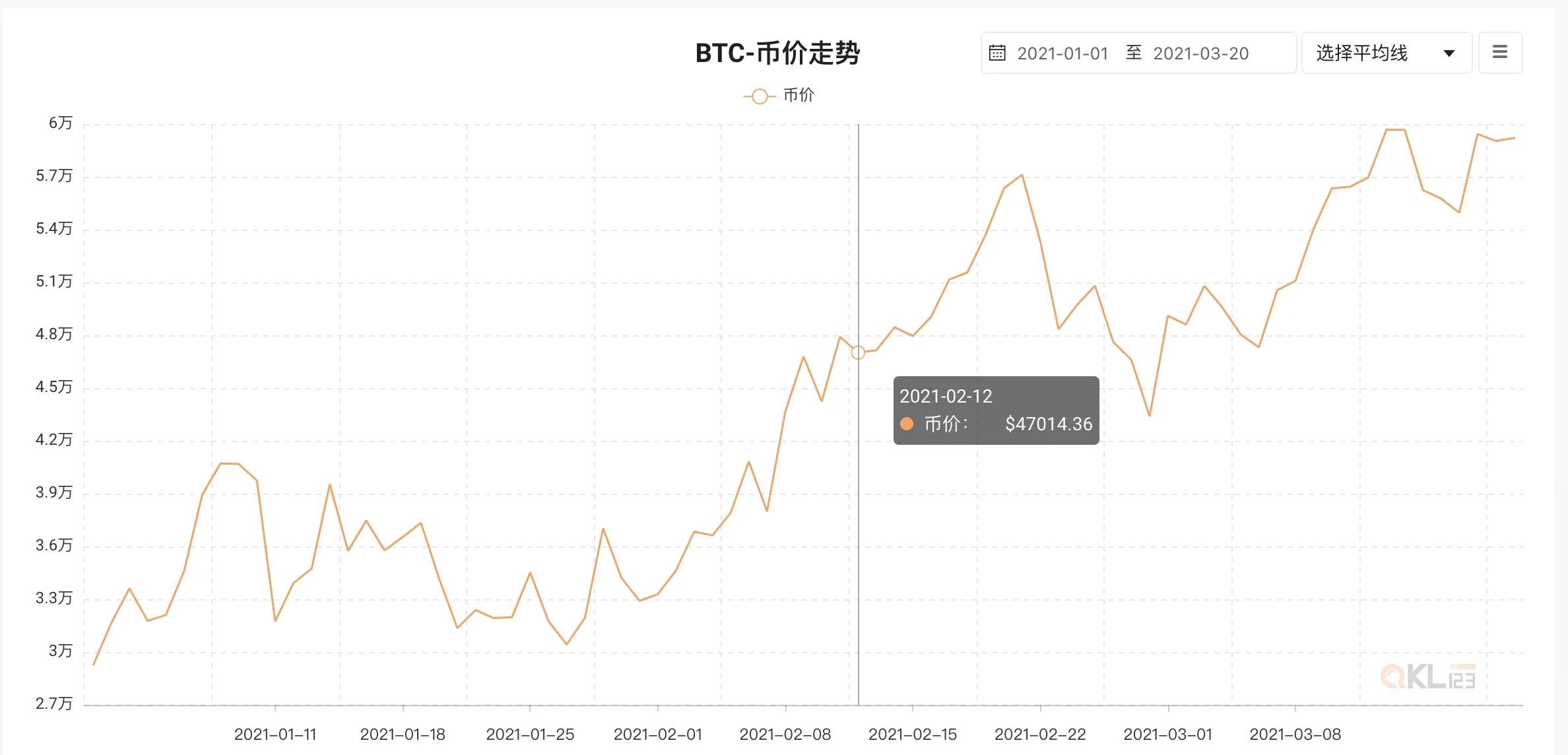
The 2021 Spring Festival holiday was: February 11 (Chinese New Year's Eve) - February 17. This Spring Festival was closest to us, and many people still remember it. 30 days before the Spring Festival, on January 11, Bitcoin experienced a 20% plunge. This decline ranked among the highest throughout the entire halving market trend. Subsequently, after nearly a month of lengthy consolidation, it finally emerged from the shadow of the major decline 3 days before the Spring Festival on February 8. Afterwards, the entire Spring Festival holiday maintained an overall upward trend.
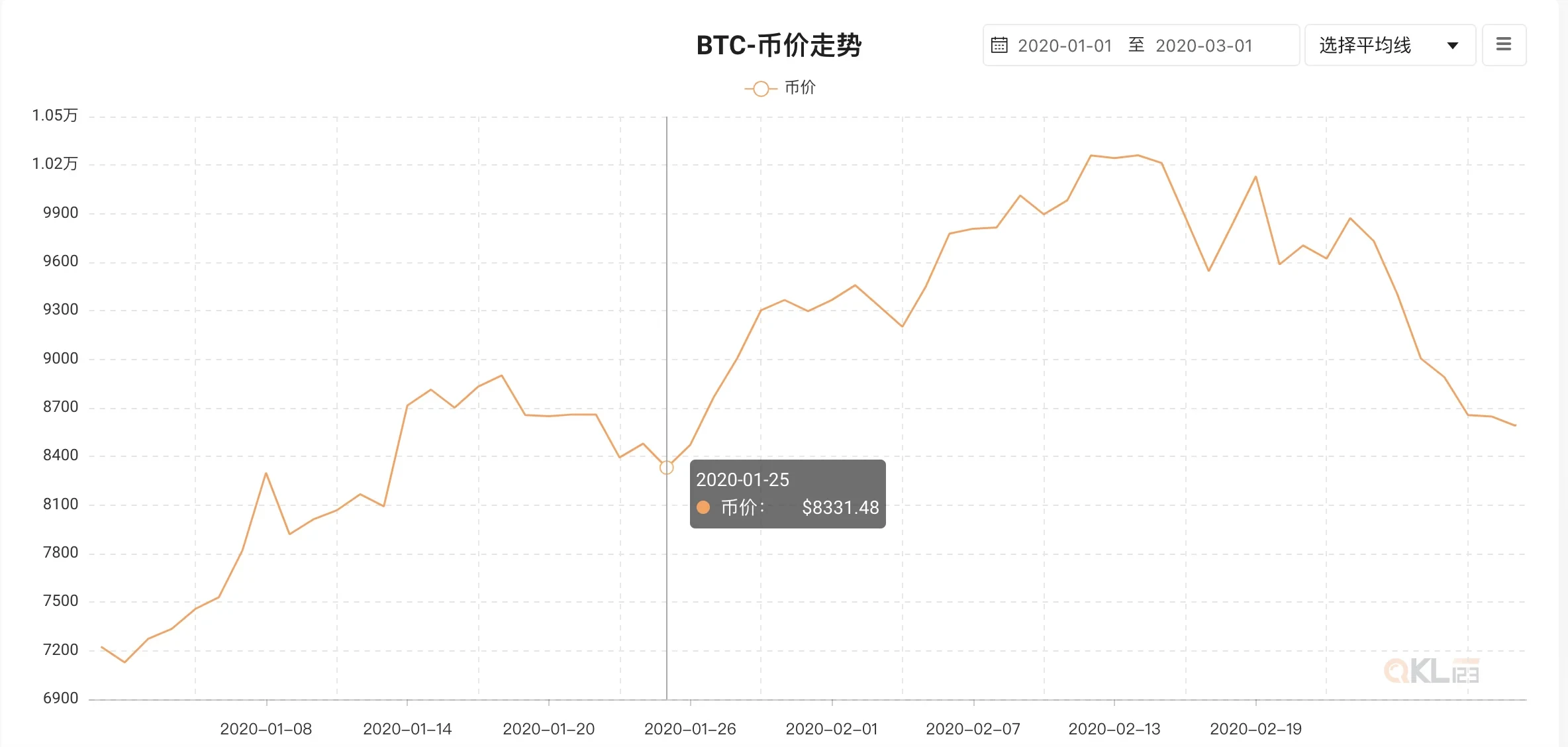
The 2020 Spring Festival holiday was: January 24 (Chinese New Year's Eve) - February 2. One month before the 2020 Spring Festival, the overall market trend was volatile and upward. It reached a high point 6 days before the Spring Festival on January 19, followed by a relatively obvious correction, reaching a relative low point on the day of the Spring Festival. The overall Spring Festival holiday continued the rebound trend.
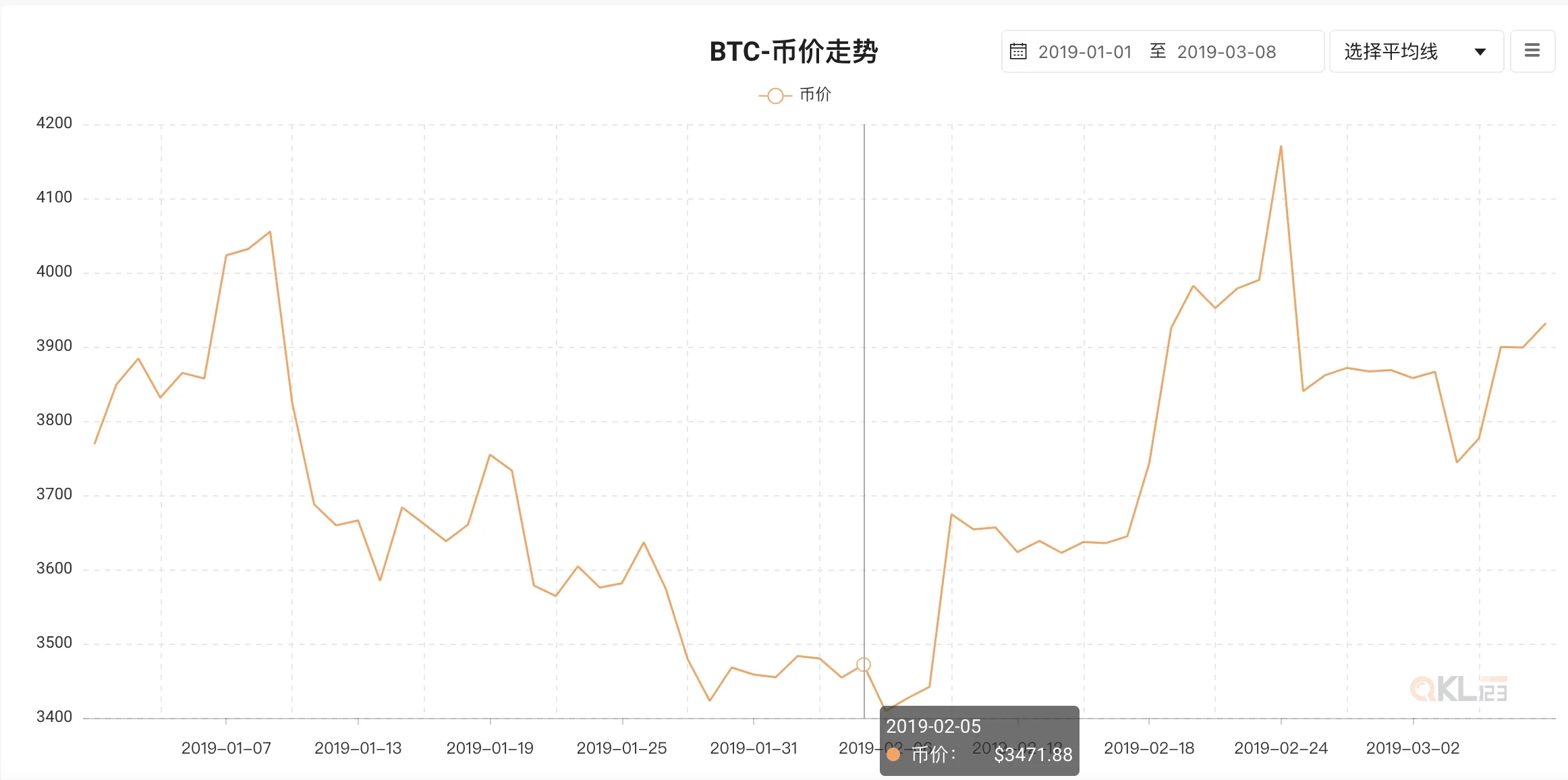
The 2019 Spring Festival holiday was: February 4 (Chinese New Year's Eve) - February 10. Compared to other years, the price trend before the 2019 Spring Festival was relatively calm, but Bitcoin still experienced a 9% decline on January 10. During the Spring Festival, the overall trend was upward.
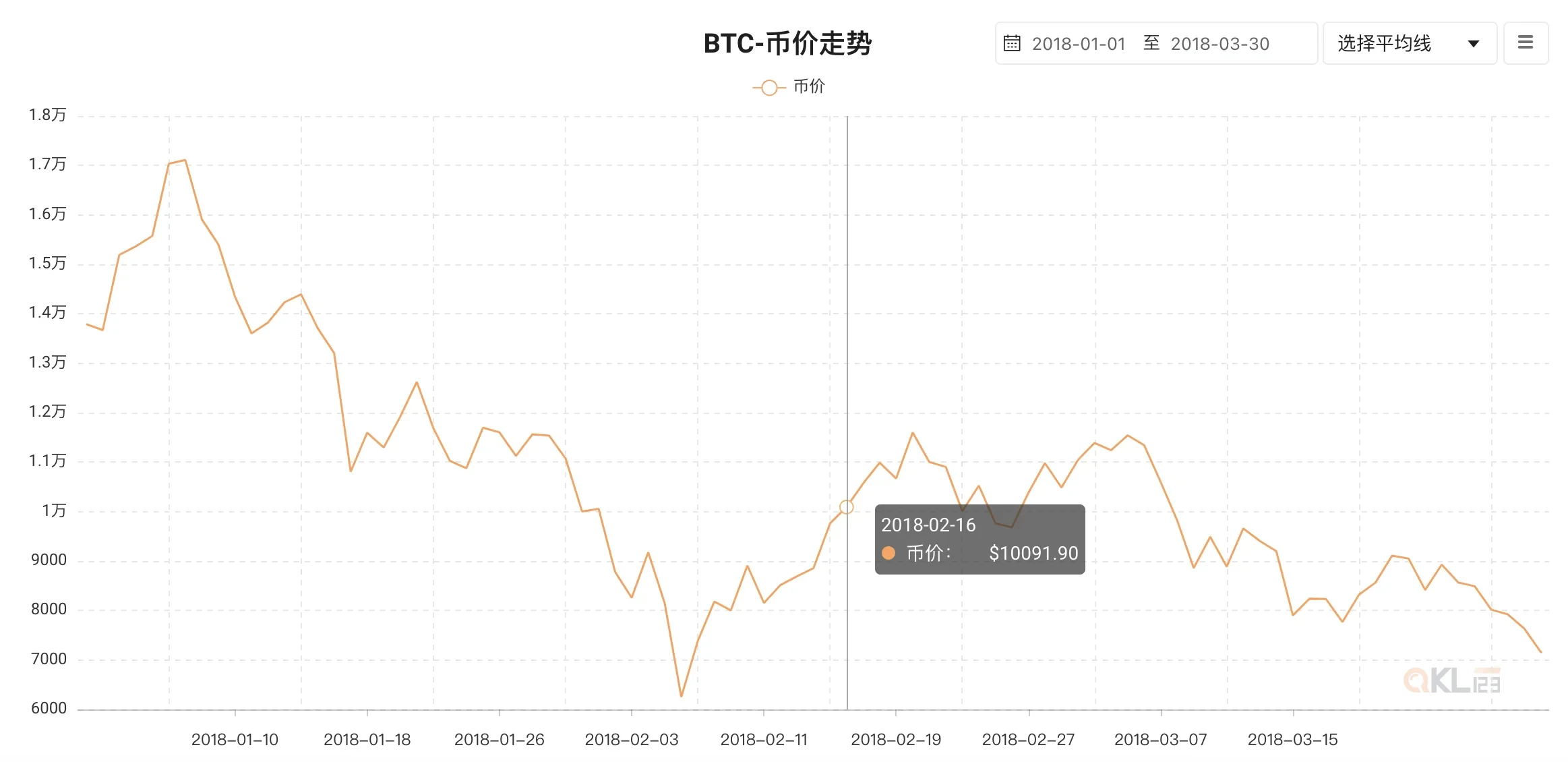
The 2018 Spring Festival holiday was: February 15 (Chinese New Year's Eve) - February 21. At the end of 2017, Bitcoin reached the price peak of the second halving cycle, then began a long downward journey. On January 16, 2018, before the Spring Festival, Bitcoin plummeted 18.6%. During the Spring Festival, it continued to consolidate, then resumed its previous downward trend.
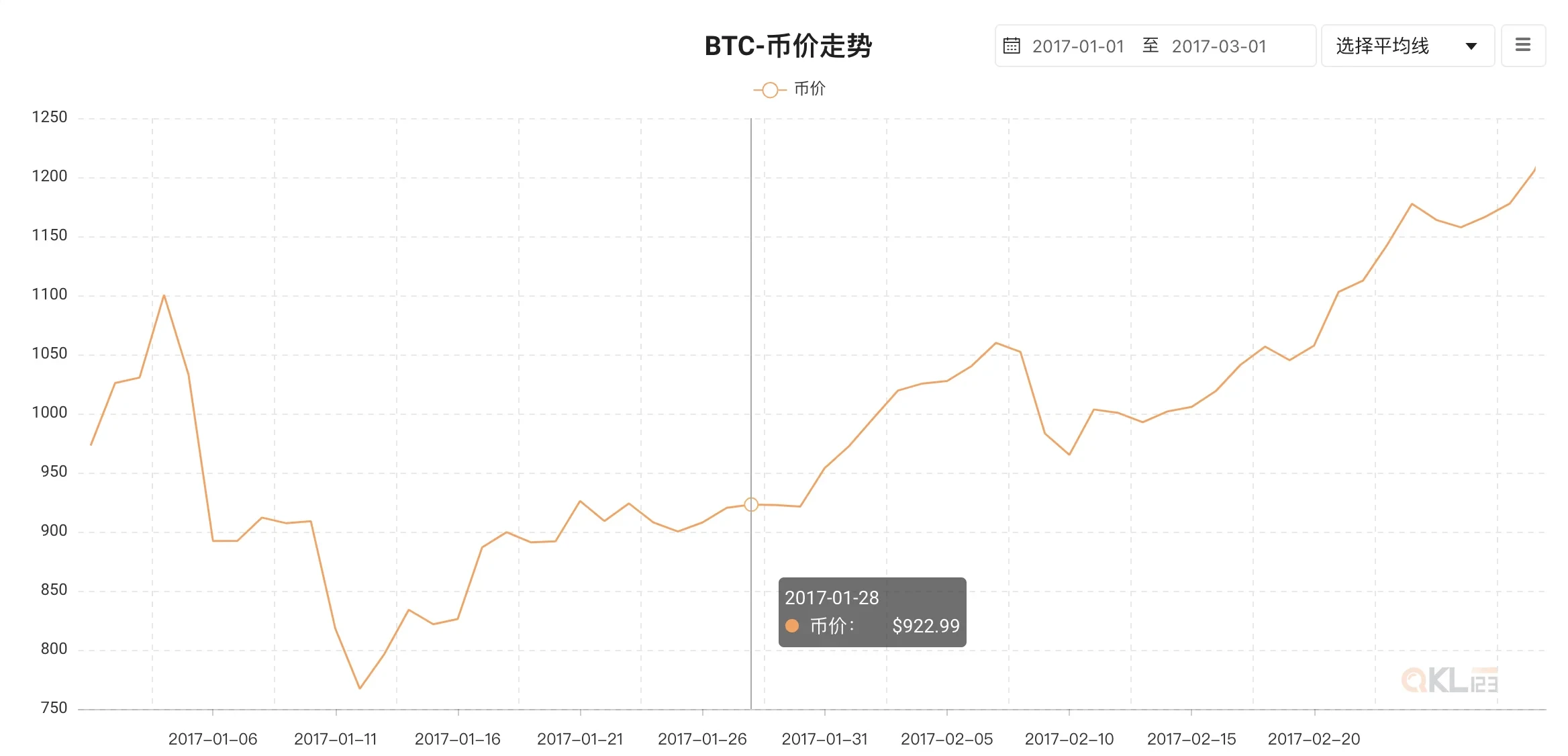
The 2017 Spring Festival holiday was: January 27 (Chinese New Year's Eve) - February 2. In the period before the 2017 Spring Festival, Bitcoin experienced three plunges within just a few days, all exceeding 10%: an 11.9% decline on January 5, a 10% decline on January 6, and a 13.9% decline on January 10. During the Spring Festival, Bitcoin began a sustained rebound trend.
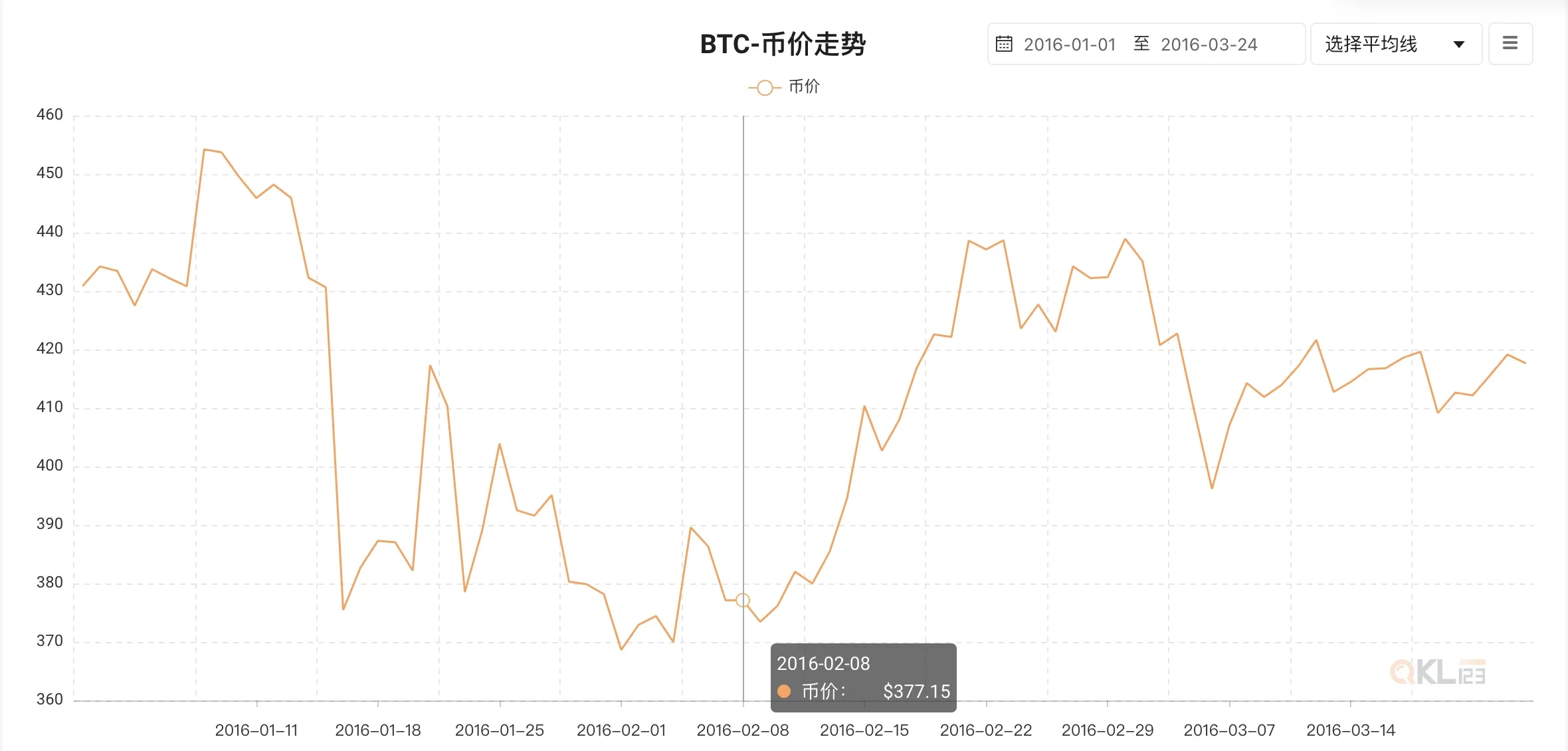
The 2016 Spring Festival holiday was: February 7 (Chinese New Year's Eve) - February 13. In the period before the 2016 Spring Festival, Bitcoin plummeted 16.3% on January 15, and the following days were also dominated by declines, only slowly recovering after the Spring Festival passed.
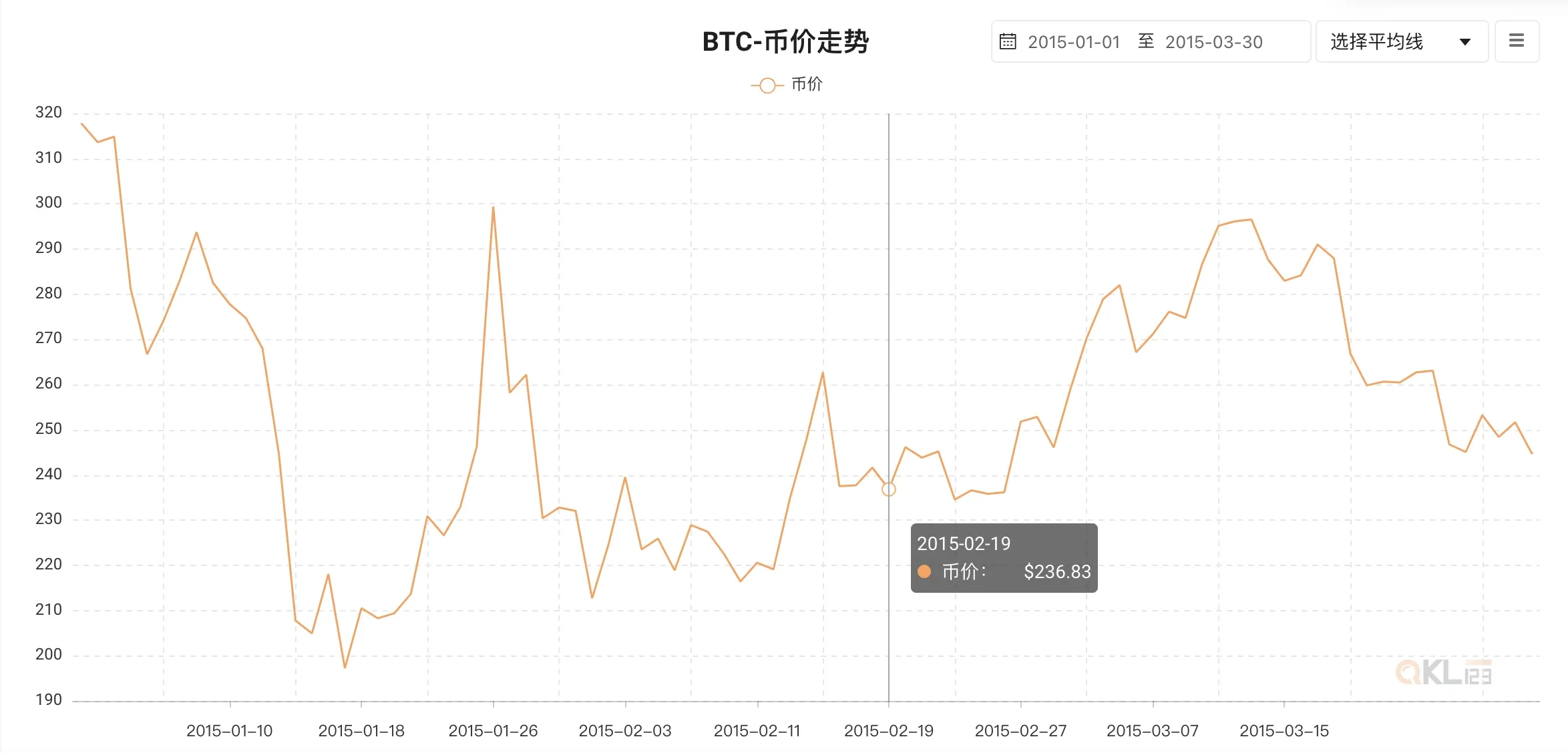
The 2015 Spring Festival holiday was: February 18 (Chinese New Year's Eve) - February 24. About one month before the 2015 Spring Festival, Bitcoin began to experience plummeting situations: Bitcoin fell 15.14% on January 13, followed by a 20.2% plunge on January 14. During the Spring Festival, a weak rebound trend began.
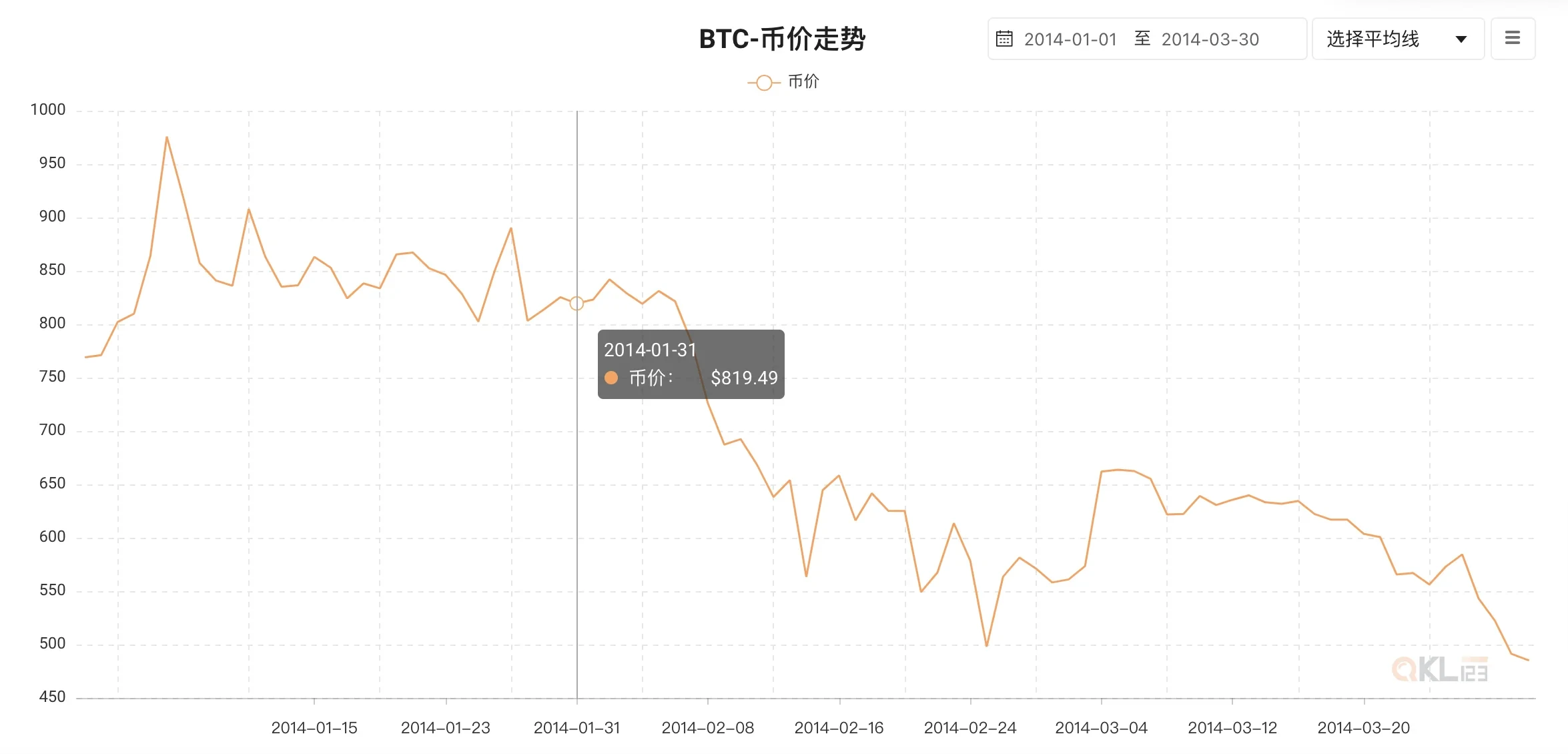
The 2014 Spring Festival holiday was: January 31 (Spring Festival) - February 6. The 2014 Spring Festival fell on January 31. The maximum intraday decline within the previous month was 15% on January 7. The overall trend was downward, and the decline continued during the Spring Festival.
From the data above, we can see: Over 8 years, 7 years saw significant declines before the Spring Festival, with only 2020 showing an upward trend. This confirms that the Bitcoin "Spring Festival effect" truly exists.
As for the reason for this phenomenon, many believe it is because the three countries of the Confucian cultural circle – China, Japan, and South Korea – all have the custom of celebrating the Spring Festival. Before the Spring Festival, they need to purchase New Year goods and other gift items, involving huge expenditures. As China, Japan, and South Korea are all major cryptocurrency trading nations, this leads to continuous outflow of market funds and thus declines. There is also a view that major forces take advantage of the psychological expectation of the Spring Festival effect to suppress Bitcoin prices.
Specifically for 2022, the Spring Festival holiday is: January 31 (Chinese New Year's Eve) - February 6. Bitcoin prices once again showed continuous declines before the Spring Festival, and the "Spring Festival effect" seems to have displayed its power again. However, the development and environment of the current cryptocurrency market are already very different. Bitcoin's dominance has also shifted from ordinary investors to institutions represented by Wall Street. How much power Bitcoin's "Spring Festival effect" still has remains to be observed.
Compared to the "Spring Festival Effect," These Things in 2022 Are More Important
In our previous article "Bitcoin Loses Absolute Dominance – Has the Bull Market Reached Its End?", we already explained in detail: The world of the cryptocurrency market has changed, and this "change" is a transformation from quantitative to qualitative change. Therefore, many previously effective "patterns" may no longer be applicable.
Therefore, compared to the Bitcoin "Spring Festival effect" view, the impact of the overall environment carried over from the previous year and the occurrence of major events at the current stage may have a greater impact on Bitcoin price trends.
If we review the events with the greatest impact on rises and falls in 2022, the Federal Reserve's interest rate hike expectations rank first. Although Federal Reserve Chairman Powell promised this week that the Fed will not adopt overly aggressive monetary policies that would cause the US economy to enter recession. However, many economists and analysts believe that due to the good recovery of the US economy, the Fed tightening monetary policy this year is an inevitable trend. Currently, the market focus is on the number of Fed rate hikes and the timing of starting balance sheet reduction. Fed rate hikes will be a presence affecting the foundation of the bull market.
Next is the economic recovery and development of countries around the world. This Thursday, January 13, the United Nations released the 2022 "World Economic Situation and Prospects" report. The report states that due to the continuing COVID-19 pandemic, labor market issues, persistent supply chain challenges, and increasing inflationary pressures, the global economy faces significant pressure.
The UN predicts that after 5.5% global economic growth in 2021, global economic growth will decrease to 4% and 3.5% in 2022 and 2023 respectively. The impact of economic conditions on the cryptocurrency market is mainly reflected in two aspects: poor economic conditions may cause central banks led by the Fed to continue easing, thereby further inflating investment markets including the cryptocurrency market. Good economic conditions, on one hand, cause central banks to begin tightening, leading to short-term or long-term market declines; on the other hand, they grow the overall pie, which benefits the cryptocurrency market in the long run. This UN report predicts the economy faces downward pressure, which may delay central banks led by the Fed from tightening monetary policy.
Then there is the impact of the COVID-19 pandemic. Especially the impact of the Omicron variant. Although many research institutions now believe Omicron's impact is expected to be mild and short-lived because the world has become more capable of dealing with COVID-19 and its related challenges. However, it is difficult to guarantee that more powerful variants will not emerge later, causing black swan events. Of course, even if such black swan events occur, the shock they cause may not be too significant, as people have been dancing with the pandemic for two years already.
There are many other factors that will also affect the rises and falls of the cryptocurrency market, such as policy trends of various countries regarding crypto assets, institutional attitudes toward Bitcoin and others, and various unpredictable "black swan" events. To obtain returns in investment markets, one needs to pay attention to various factors and distinguish truth from falsehood among numerous pieces of information to make one's own judgments.
Conclusion
"History repeats itself" is the most basic idea used in analyzing investment markets, and in the cryptocurrency market, the "Spring Festival effect" is one of the most prominent manifestations of "history repeating itself."
The Spring Festival is China's most important traditional festival. Its impact on the cryptocurrency market differs significantly from Western countries' holidays in aspects such as shifts in Gregorian calendar time, concentrated high spending during the Spring Festival, and major meetings (such as the Two Sessions) soon after the Spring Festival and the introduction of new economic policies for the new year. These will all have varying degrees of impact on the cryptocurrency market, and the long-tail effect of the "Spring Festival effect" is significant. Therefore, while welcoming and celebrating the Spring Festival, we need to "keep one eye" on the impact of this "beast" in the cryptocurrency market, so as to prepare in advance and respond effectively.
Disclaimer
This article may contain content related to products that are not applicable in your region. This article is intended to provide general information only and does not accept responsibility for any factual errors or omissions herein. This article represents only the author's personal views and does not represent the views of OKX. This article is not intended to provide any of the following advice, including but not limited to: (i) investment advice or investment recommendations; (ii) offers or solicitations to buy, sell, or hold digital assets; or (iii) financial, accounting, legal, or tax advice. Holding digital assets (including stablecoins) involves high risk, may fluctuate significantly, and may even become worthless. You should carefully consider whether trading or holding digital assets is suitable for you based on your financial situation. For questions regarding your specific situation, please consult your legal/tax/investment professional. The information appearing in this article (including market data and statistics, if any) is for general reference only. Although we have taken all reasonable precautions in preparing these data and charts, we accept no responsibility for any factual errors or omissions expressed herein. © 2025 OKX. This article may be reproduced or distributed in its entirety, or excerpts of 100 words or less from this article may be used, provided that such use is non-commercial. Any reproduction or distribution of the entire article must also prominently state: "Copyright © 2025 OKX. Used with permission." Permitted excerpts must cite the article name and include the source, for example "Article Name, [Author Name (if applicable)], © 2025 OKX". Some content may be generated or assisted by artificial intelligence (AI) tools. Derivative works or other uses of this article are not permitted.
Show More
Recommended Reading

OKX Pay: Opening a New Era of Next-Generation Cryptocurrency Payments
The choice of tens of millions of users – register on OKX and enjoy ultimate trading experience and diverse wealth management products. A letter from OKX CEO Star: Today, we officially launch the first version of OKX Pay to over 100 million global users. As the industry's first payment application that truly achieves non-custodial and compliant integration, OKX Pay will be embedded within the OKX App, currently open to select markets, expected to fully
March 22, 2026

New Chapter: Building Next-Generation Financial Infrastructure Together
The partnership between OKX and Intercontinental Exchange (ICE) is an important moment for OKX and equally significant for the evolution of the entire digital assets market. ICE establishes and operates the world's most important financial infrastructure, including the New York Stock Exchange as well as global derivatives and clearing platforms. ICE's strategic investment in OKX and joining our board reflects both parties' shared belief – digital assets technology will serve in financial markets
March 10, 2026

Tribute to Another Year of Forging Ahead
As OKX's CEO, and also a builder who remains true to our original mission, I am proud to look back on OKX's extraordinary growth and progress this year. Despite challenges, 2024 was a year filled with focus, innovation, and resilience. We not only expanded and optimized our products, but also made significant progress in launching transparent and regulatory-compliant localized businesses, while further strengthening our global management team. Notably, after experiencing
January 29, 2026

2025: Steady Progress Toward Financial Freedom Together
– Annual letter from OKX Founder and CEO Star to global users "Financial freedom" is often misunderstood. It doesn't mean the absence of rules, but rather having the right to choose even when rules exist – and when the system is truly tested, it remains reliable and effective. This is exactly what we focused on throughout 2025. First, I want to extend my sincere gratitude to our global clients, partners, and regulatory bodies
January 16, 2026

OKX Officially Launches in Germany and Poland
Author: Erald Ghoos, CEO of OKX Europe Today is significant for OKX – and for cryptocurrency users across Europe. We have officially launched our fully compliant centralized cryptocurrency trading platform in Germany and Poland! For us, this is not just a geographic expansion, but a commitment to building the cryptocurrency future the right way: secure, transparent, and meeting local needs. If you are in Germany
October 21, 2025

Partnership Upgrade! OKX Partners with Standard Chartered to Expand European Market
On October 15, OKX Europe CEO Erald Ghoos stated that OKX is expanding its strategic partnership with Standard Chartered to the European Economic Area (EEA). Earlier this year, OKX first partnered with Standard Chartered in the UAE to launch the collateral mirroring program – this is a
October 15, 2025