
Public Blockchain Sector's New Normal: Ethereum Remains the Leader, New Players Bring Diversity
ADA+1. 29%
As the foundational infrastructure of the blockchain industry, public blockchains have always been an inescapable topic in the crypto space. Along with the development and rise of successive generations of public blockchains, ecosystem booms such as NFT, DeFi, GameFi, and the metaverse have also experienced explosive growth in turn. Conversely, the explosion of projects in these tracks has also promoted the development and value appreciation of public blockchains.
We can easily observe that among the top ten projects by market cap, more than half are public blockchain projects. Many next-generation public blockchain projects such as Terra, Solana, and Avalanche have experienced explosive growth since last year, presenting numerous opportunities for investors. So, in 2022, can the public blockchain sector continue to deliver impressive results? And which public blockchain projects are worth paying attention to?
**一, **What is the Logic Behind Ethereum's Continued Potential?
As the leading public blockchain, Ethereum is one of the most closely watched projects by investors and industry professionals. Over the past month, Ethereum's token ETH has risen approximately 41% from its low point. Following the impact of geopolitical tensions, the market has recovered, with a significant rebound.
As the most established public blockchain project, Ethereum hosts the majority of ecosystem applications. Currently, the total value locked (TVL) on the Ethereum chain exceeds $120 billion, accounting for 54.19% of all public blockchain TVL. There are more than 5 DeFi projects with a market cap exceeding $1 billion built on Ethereum, such as MakerDAO, Convex Finance, AAVE, Uniswap, Lido, and others.
The reason Ethereum's ecosystem has developed so robustly and rapidly is primarily attributed to its strong technical foundation and economic mechanisms, as well as its powerful consensus within the blockchain space. This has led most projects to prioritize Ethereum for their deployments. Conversely, the explosion of these ecosystem applications has further enhanced the value of the Ethereum public blockchain. ETH has naturally become one of the preferred asset choices for retail investors selecting public blockchain projects, while also gaining recognition from an increasing number of mainstream institutional investors.
So, from a medium to short-term perspective, how do we assess Ethereum's value? In other words, in 2022, will ETH continue to rise? Ethereum's token price is primarily driven by supply and demand, and the main factors currently affecting supply and demand operate on two levels: first, the buying and selling behavior of holders; and second, the impact of Ethereum's own mechanisms on issuance and circulation.
Let's start with the first level. Currently, from a short-term perspective, some positive signals for Ethereum have emerged in the market that can provide reference for investors. On one hand, according to market intelligence firm Into The Block, addresses holding ETH for more than one year accumulated over 4 million additional ETH in recent weeks as of March 28, valued at over $13 billion. On the other hand, institutions represented by Three Arrow Capital are continuously accumulating ETH. According to Etherscan data, over the past month, addresses labeled "Three Arrow Capital" continuously accumulated more than 86,000 ETH (only counting transfers from marked exchange addresses to this address), and Three Arrow Capital has also transferred large amounts of ETH to participate in protocols like Curve.
Next is the second level: the potential impact of Ethereum's own mechanisms on ETH price. According to OK Link data, after the implementation of the EIP1559 proposal last year, the total amount burned on the Ethereum network currently stands at 2.091 million ETH, with the current ETH supply at 118 million. As the base fee from each transaction on Ethereum is burned, this creates ETH deflation, which to some extent increases ETH's value and serves as a driver for price appreciation.
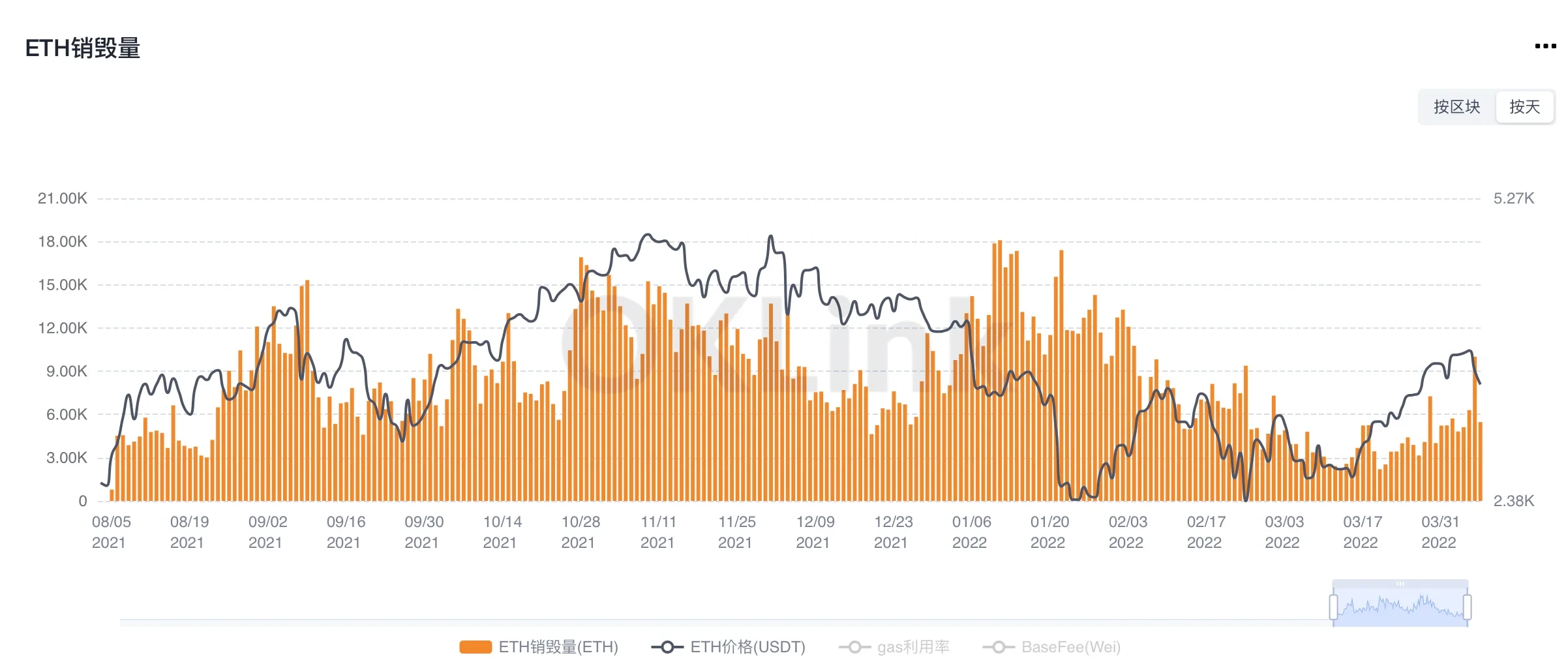
Source: OK Link
On the other hand, Ethereum is expected to undergo the merge of eth1 and eth2 in June of this year (block estimated time), officially transitioning to a PoS mechanism. At that point, as the amount of ETH staked continues to grow and the supply of ETH originally produced by miners decreases, this may temporarily reduce ETH's circulating supply, thereby having a positive impact on its price. According to data from on-chain analytics platform OK Link on April 8, the current staking total for Ethereum 2.0 stands at 11.26 million ETH, hitting a record high. From the trend chart below, it is easy to see that the total staking amount for ETH 2.0 is continuously increasing.
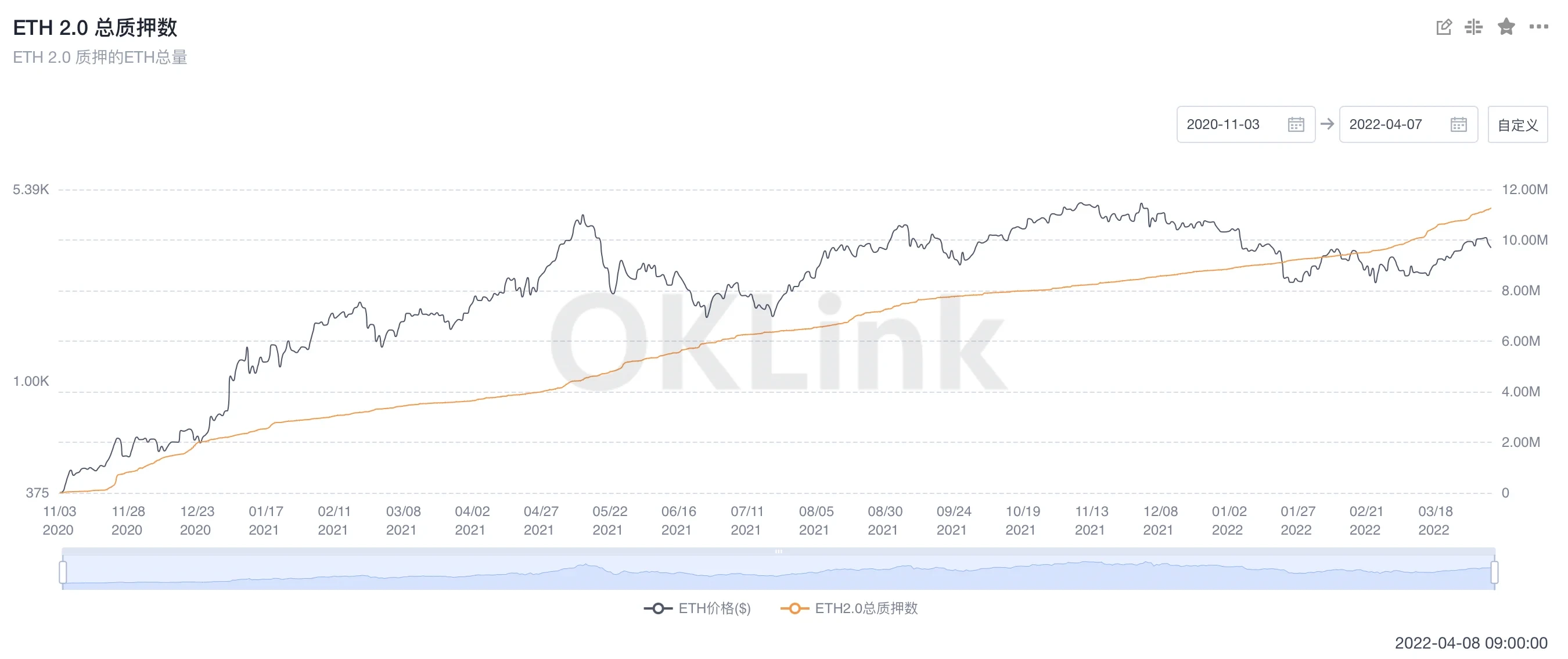
Source: OK Link
These factors reflect positive signals from both retail and institutional investors regarding Ethereum's potential, as well as the underlying upward momentum influenced by Ethereum's own mechanisms. This is also why Ethereum is one of the most noteworthy public blockchain projects to watch.
Of course, although Ethereum has the most robust development and strongest consensus in the public blockchain sector, looking across 2021 to 2022, many other public blockchain projects are emerging as dark horses beyond Ethereum. In terms of data performance, quite a few public blockchain projects have actually surpassed Ethereum's development speed this year, such as Terra and Cardano. So, do these public blockchain projects have potential, and are they worth paying attention to?
二, The Challengers Cardano and Terra Each Have Distinctive Technologies and Mechanisms
Recently, Cardano (ADA), the established public blockchain renowned for its technical philosophy, has once again demonstrated its prowess.
First, regarding price, ADA has risen recently, climbing from $0.93 at the beginning of March to $1.17 at the beginning of April, an increase of approximately 25.8% within the month. As of April 11, ADA's total market cap stands at $34.031 billion, ranking 8th. In terms of on-chain data performance, the number of addresses holding ADA has grown by 48.8% since the beginning of this year. As of April 11, the total value locked (TVL) on Cardano reached $298 million, ranking 28th among public blockchains, with a March increase exceeding 97%. Notably, ADA's staking rate is as high as 71.92%, ranking 4th, providing strong support for ADA's token price.
Cardano's impressive recent performance is closely tied to its unique technical structure, as well as the academic rigor upheld by its team and community. Its consensus algorithm Ouroboros and programming language Haskell are significantly superior to most projects in the same track. Additionally, with the flourishing ecosystem and increasing adoption rates, Cardano has substantially improved its performance over the past six months through scaling and the release of Layer 2 protocol suites.
So, can Cardano sustain its first-quarter momentum in the future? We can analyze its potential from two aspects.
First, immense ecosystem potential. Currently, there are 886 projects under development within the Cardano ecosystem. Following the Vasil hard fork expected in June this year, a large number of new projects are anticipated to emerge. Ecosystem expansion will continue to consolidate consensus and provide momentum for price appreciation.
Second, gaining increasing recognition and participation from mainstream audiences. Recently, CME Group has been planning to launch Cardano futures contracts. In March, both Grayscale and Wisdom Tree launched investment products including ADA. These new investment products provide institutional and retail investors with more secure, convenient, and compliant trading channels, which is expected to attract significant new capital into the market.
In summary, after years of development, Cardano has advanced steadily and accumulated strength, securing a top-ten position in the crypto market and entering a "fast track" of development this year. Investors may want to keep a close eye on it.
Another highly anticipated public blockchain project recently is Terra (LUNA). In a report released by Messri in March, Terra was identified as having the best public blockchain ecosystem development in 2022.
In March, LUNA's staking yield multiple times exceeded 6%, becoming one of the highest staking yields among tokens, which attracted an increasing number of users to stake LUNA. According to DeFi Llama data, as of April 11, Terra (LUNA) TVL reached $19.25 billion, ranking 2nd, representing a 111.2% increase compared to early February. Token staking has also to some extent driven token price appreciation. CoinMarketCap data shows that LUNA rose 17.3% in March, reaching an all-time high of $116.46 on April 5, with a current market cap of $31.24 billion, ranking 9th.
Tracing its roots, Terra's success is primarily due to its solid fundamentals. With stablecoins at its core, Terra creatively designed a "dual-token elastic supply mechanism" that deeply binds LUNA and UST, forming a positive cycle between ecosystem development and token appreciation. However, as Terra continues to grow, investors have always been concerned about the possibility of LUNA entering a death spiral. In response to this concern, starting from January, Terra began purchasing mainstream digital assets such as Bitcoin to build its own diversified foreign exchange reserves.
Starting January 27 this year, Terra has on average accumulated approximately 3,000 BTC every two days. As of April 11, it has held 39,897 BTC (valued at approximately $16.8 billion), with its long-term goal being to raise $10 billion for its Bitcoin reserves. In addition to Bitcoin, Terra has also announced the purchase of $100 million worth of AVAX tokens from the Avalanche Foundation to increase its reserves.
These reserves will effectively serve as UST's redemption mechanism, ensuring that during significant sell-offs in the crypto market, the pace of newly minted LUNA entering the market is effectively slowed, maintaining the stablecoin's price peg to the US dollar and substantially reducing risk.
Of course, the standout or promising projects in the public blockchain sector may far exceed those mentioned in this article, which only analyzes a few representative ones. So, why is the public blockchain track so hot? Can it continue to be a major investment focus this year?
三, Public Blockchains Remain Hot, but Value Evaluation Dimensions Are Becoming More Diversified
With successive generations of new public blockchains rising rapidly, the public blockchain sector is so dynamic because it serves as essential infrastructure for blockchain technology and represents fundamental demand, while also due to the explosion of various ecosystem applications. For instance, from last year to this year, the booms of DeFi, NFTs, GameFi, the metaverse, SocialFi, and others have provided tremendous tests and opportunities for public blockchains. On one hand, the emergence of a large number of dApps has brought challenges of network congestion and high fees to the already "burdened" Ethereum. But on the other hand, this has also provided development space for numerous new public blockchains.
Currently, the number of DeFi projects across various public blockchains has exceeded 1,000. As of April 11, 2022, according to DeFi Llama data, the top ten public blockchains ranked by total DeFi TVL are: Ethereum (55.38%), Terra (12.45%), BSC (6.19%), Avalanche (4.87%), Solana (3.22%), Fantom (2.78%), Polygon (1.99%), Tron (1.9%), Cronos (1.81%), and Arbitrum (1.08%). Ethereum's share of total DeFi TVL has relatively decreased, dropping approximately 8% compared to December last year. This indicates that public blockchain market share is being "eroded" by other public blockchains, and Ethereum's market dominance has declined.
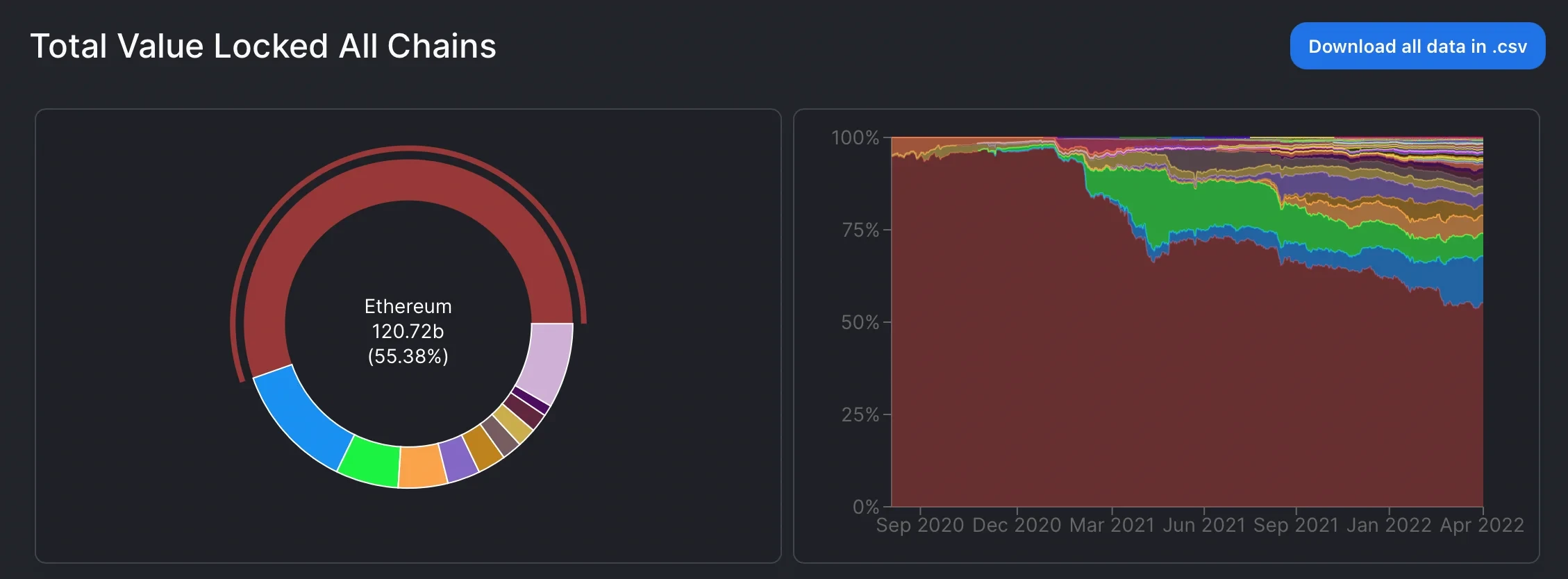
Public Blockchain Total TVL Share Data Source: DeFi Llama
According to DeFi Llama statistics, there are currently 103 public blockchains recorded in total, a nearly 10-fold increase compared to the beginning of 2021. At the same time, the flourishing development of NFT and GameFi has led to the emergence of many vertical public blockchains using new trends as their differentiation strategy. Compared to Ethereum's "dominance" at the beginning of last year (TVL share as high as 96%), public blockchains are now showing a trend of a hundred flowers blooming.
However, with the development of Layer 2 and Ethereum's performance gradually improving after this year's upgrade, will the development space of these new-generation competing public blockchains be affected? What changes might occur in the current landscape?
Of course, one thing that can be confirmed is that the current state of public blockchain development is significantly different from the 2018 era. With the continuous emergence of new ecosystem booms, public blockchain development still has enormous space and opportunities, and the vigorous development of public blockchains will in turn promote the explosion of the blockchain ecosystem. In this regard, the two are mutually beneficial and reinforcing.
Therefore, the public blockchain sector is worth long-term attention, but it also requires an understanding of the specific opportunities and risks involved. From last year to now, the public blockchain sector has experienced wave after wave of small explosive opportunities. Some star public blockchain players such as Solana, Avalanche, and Cosmos have developed at an extremely fast pace and delivered impressive results. So, are these hot public blockchain projects still worth investing in? How do we assess the investment value of public blockchain projects?
There are two aspects and six dimensions for readers' reference. The two aspects are the impossible trinity of public blockchain economic mechanisms and the impossible trinity of technical mechanisms. The six dimensions are: from these two impossible trinity concepts, along with profitability, growth potential, fairness, as well as decentralization, security, and efficiency.
The considerations and choices of different public blockchains across these dimensions may affect the development speed and ceiling of a public blockchain project, determine whether it can establish its own competitive advantages, and reveal its future development priorities.
In summary, whether the public blockchain sector can continue to be a major investment focus this year still depends on the continued development of the ecosystem and factors such as their respective security and usability. As more applications emerge and new users flood in, public blockchains still have exciting room to grow, and Ethereum as well as other promising public blockchains may still have opportunities for explosive growth this year.
Disclaimer
This article may contain product-related content that does not apply to your region. This article is only intended to provide general information and does not responsible for any factual errors or omissions. This article represents only the author's personal views and does not represent the views of OKX. This article is not intended to provide any advice, including but not limited to: (i) investment advice or investment recommendations; (ii) offers or solicitations to buy, sell, or hold digital assets; or (iii) financial, accounting, legal, or tax advice. Holding digital assets (including stablecoins) involves high risk and may be subject to significant price fluctuations, or may even become worthless. You should carefully consider whether trading or holding digital assets is appropriate for you based on your financial situation. For questions about your specific circumstances, please consult your legal/tax/investment professional. The information in this article (including market data and statistics, if any) is provided for general reference purposes only. Although we have taken all reasonable precautions in preparing such data and charts, we assume no liability for any factual errors or omissions expressed herein. © 2025 OKX. This article may be reproduced or distributed in its entirety, or excerpts of 100 words or less may be used, provided that such use is non-commercial. Any reproduction or distribution of the full article must prominently state: "This article is copyrighted © 2025 OKX, used with permission." Permitted excerpts must cite the article title and include attribution, for example, "Article title, [author name (if applicable)], © 2025 OKX". Some content may be generated or assisted by artificial intelligence (AI) tools. Derivative works and other uses of this article are not permitted.
Show More
Recommended Reading

2025 KOL Most Used OKX Products Overview
In the cryptocurrency industry, professional players' choices are always direct and pure. In 2025, KOLs cast the most authentic votes for industry tools and ecosystem development with their year-long capital investment and time dedication. We centered around four core questions—"What was your biggest achievement this year?", "Given those achievements, what OKX products did you use most and love in 2025?", "Why do you like it?", "Does this
2026年1月5日

2026 Investment Outlook: Assets On-chain, Intelligence and Privacy | OKX Year in Review
The three major trends of crypto's future: asset transformation, subject transformation, and rule transformation. As we are about to enter 2026, after four years of focusing on "building roads" for infrastructure, the crypto industry is welcoming a profound paradigm shift. OKX Ventures defines this as the beginning of the "Kinetic Finance" era, where the core is no longer how fast the network is, but the flow of on-chain assets and earning
2025年12月31日

Vote with Data, Insights into 2025 Hot Trading Products | OKX Year in Review
If you only look at price movements, it's hard to explain the returns differences among exchange users in 2025. What truly determines returns also depends on account-level operational methods, not just market volatility itself. OKX annual statements show that mainstream coins remain the core of capital turnover and returns bearing, supporting trading and strategy execution; emerging coins are more used to amplify volatility and provide phased opportunities, but are not a stable, long-term source of returns. What truly and continuously contributes to returns is
2025年12月30日
Fusaka in Practice: What Ethereum's Latest Upgrade Means for L2, Nodes, and Users
Ethereum mainnet has completed the Fusaka fork. From the protocol level, this upgrade mainly covers four areas, with full text following a Q&A Show More Three guests' core viewpoints and front-line experience: Ahmad (@smartprogrammer) – Nethermind Execution Client / Ethereum Core Developer Manu (@manunalepa) – Prysm / Of
2025年12月16日

OKX Research | Why Did RWA Become a Key Narrative in 2025?
RWA (Real World Assets) is becoming the "new favorite" of global capital. Simply put, RWA involves taking valuable, owned things from the real world—such as houses, bonds, stocks, and other traditional financial assets, or even art, private lending, and carbon credits that are usually hard to trade directly—and moving them onto the blockchain, turning them into tradeable, programmable crypto assets. This way,
2025年11月20日
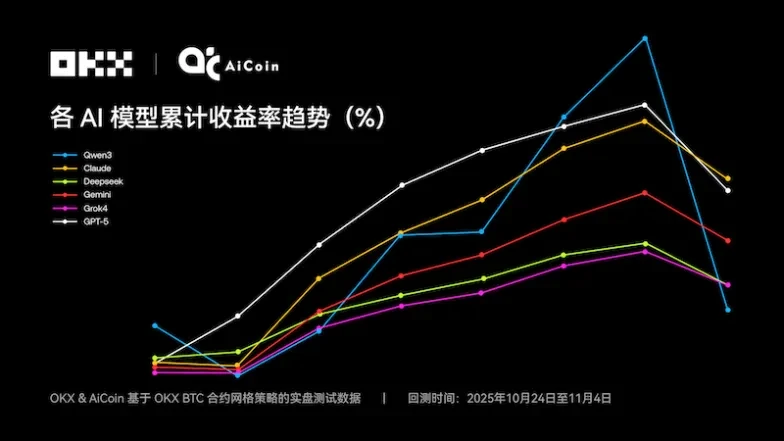
Claude Wins the Championship, 6 Major AI Grid Strategies in Showdown | OKX & Ai Coin Live Test
Is the short-term trading champion ? NOF1's "AI Trading Live Arena" first season finally concluded on November 4, 2025 at 6 AM, whetting the appetite of the crypto, tech, and finance circles. But the outcome of this "AI IQ open test" was somewhat unexpected—the six models' combined $60,000 in principal ended at only $43,
2025年11月6日