Virtual Land Selling for Tens of Millions — Is Buying Land in the Metaverse Worth It?
On November 23rd, singer JJ Lin announced on Twitter that he had purchased three pieces of land in Decentraland, valued at approximately 780,000 yuan. Meanwhile, American rapper Snoop Dogg also entered The Sandbox in early December. The news sparked excitement not only in the crypto market, but also among countless fans outside the industry who began wondering: what exactly are these virtual lands, and why are they so expensive?
Alongside the steady stream of news, virtual land metrics have also performed well. Land trading for The Sandbox and Decentraland on OpenSea has consistently held top positions, with sales amounts, volumes, and per-unit prices all reaching new highs. The market has even seen the launch of metaverse land information aggregators and analytics platforms. Dapp Radar, the world's largest Dapp data and project distribution platform, has断言: "Virtual land is undoubtedly the next big thing in the NFT space."
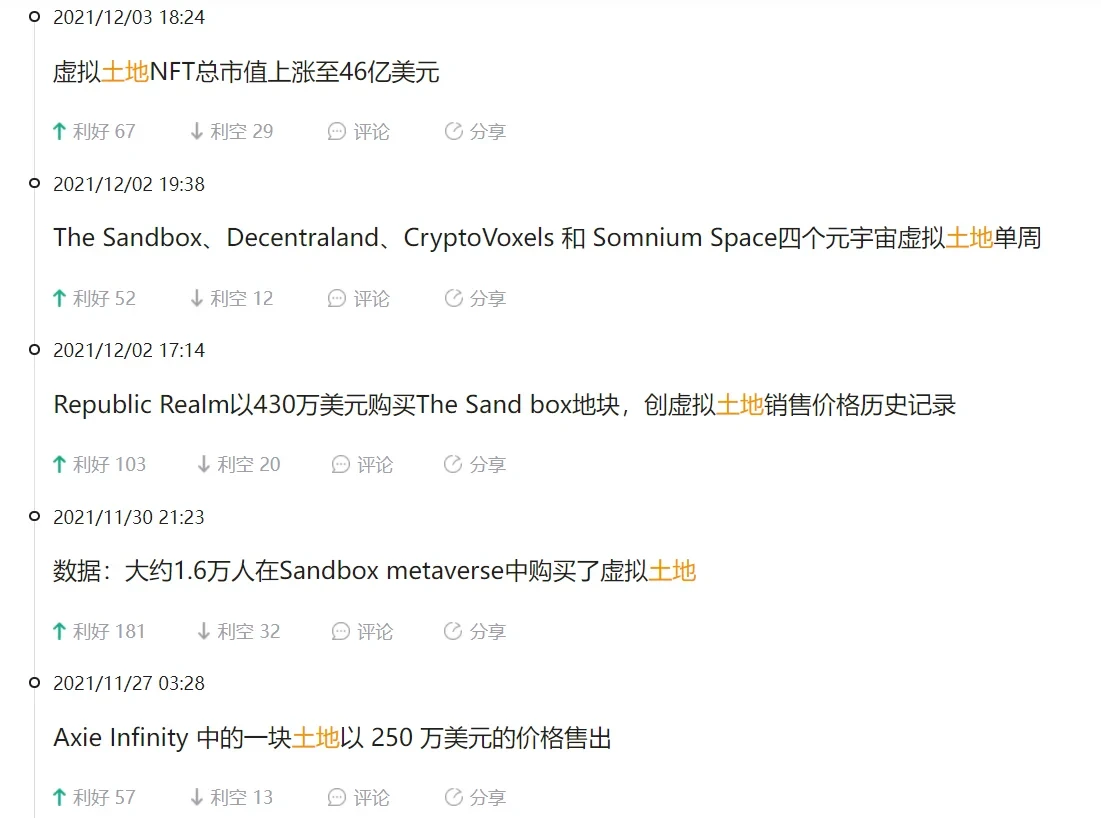
Recent virtual land news highlights Source: Jinse Finance
Overall, virtual land is growing rapidly alongside the surge in metaverse concept. But behind the hype, there are also voices of skepticism. On December 9th, a state media outlet published an article commenting on metaverse real estate speculation, stating: "We should冷静思考, and be wary of the risk of getting burned."
Is virtual land overheating? Virtual land is an in-game NFT asset, and as an NFT, its value can be roughly divided into three components: intrinsic value, use value, and premium. If the premium is too high, it is difficult to sustain. Many PFP NFTs were sold for sky-high prices this summer, but how much of their intrinsic and use value actually justifies those prices? Once the market cools down, these assets may enter a state of being priced but unsellable — a phenomenon that recent market conditions have already validated. So, how much intrinsic value and use value do today's highly-touted virtual lands actually have? Is their price supported, and can they maintain long-term stability and growth?
What Gives Virtual Land Its Value?
Virtual land is a crucial type of NFT asset in metaverse GameFi platforms like The Sandbox and Decentraland. These games aim to build a complete virtual world, with virtual land serving as a reflection of real-world land. To determine whether virtual land truly has value, we must start with the concept of metaverse GameFi.
Metaverse GameFi is entirely built by players, who take on the responsibility of content creation, operations, and even governance of the entire gaming metaverse. These games started as blank wilderness — players purchased land and used tools to create scenes and structures on their plots. The entire game world functions like an outsourcable theme park. Once fully built, it attracts other players to visit and explore, benefiting the land owners in the process.
Therefore, the functions of land in metaverse GameFi include: land owners can build stores, create games, or host competitions and events on their land to attract other players and increase returns. Regular players can visit others' plots, though they may need to pay admission or cover other in-game expenses. Additionally, players can rent or resell their land; well-developed or prime-location plots can be sold at a premium on the market.
As such, land is the most fundamental element in metaverse GameFi — the carrier of all in-game activities. Land has a wide range of applications within the game, and its use value is reflected in this versatility.
Use value also relates to player base and gaming experience — only as players grow in number can the use value of land be fully realized. In this regard, beyond the game's playability and economic model design, it also depends on the public chain ecosystem the game is built on. For example, Decentraland, The Sandbox, and Axie Infinity, as members of the Ethereum ecosystem, benefit from a massive user base and comprehensive infrastructure, allowing their entire gaming economy to share in Ethereum's ecosystem value. The Sandbox has also selected Polygon as its scaling solution, further enhancing user experience and ecosystem friendliness. Evolution Land on Polkadot will likely become the gaming traffic gateway for the Polkadot ecosystem, and the game's ability to achieve cross-chain functionality may allow it to share in the benefits of multiple public chains.
The intrinsic value of land, on the other hand, primarily comes from its scarcity.
Virtual land is a tokenized NFT asset — each plot of land is unique, situated at a specific coordinate, and the total land supply is limited. For instance, Decentraland's virtual world consists of 90,000 plots of 300x300 land, of which approximately 36,000 are infrastructure areas built by the project team, with the remaining land to be sold to users. The Sandbox has a total of 166,464 plots, Axie Infinity has 90,601, and Evolution Land has 64,442... Player counts can continue to expand, but land supply remains fixed, which will drive land appreciation.
In some specific metaverse GameFi mechanics, land is further categorized into different types and introduces elemental concepts — different land types can mine resources of different elements, which have varying uses and values, making certain plots even more scarce.
In terms of premium, first, overall crypto market trends and the热度 of the metaverse concept both affect virtual land prices. Currently, land in The Sandbox, Decentraland, and Somnium Space is primarily valued through their native tokens — SAND, MANA, and CUBE. One could argue that this wave of virtual land price increases was, to some extent, driven by surging token prices.
Second, metaverse GameFi collaborations with celebrities, brands, and IPs have garnered significant attention, drawing people from various circles into the game while also pushing land prices higher. Additionally, larger combined parcels are typically more expensive, because more content, features, and value can be created on larger plots, and they also yield more staking rewards and resources. In some games, plots adjacent to important resources or with convenient transportation access near the map's center are also more valuable.
Overall, the value of virtual land in metaverse GameFi is grounded — after all, it ultimately hinges on the game's mechanics, ecosystem, and traffic.
The Mutual Empowerment of Virtual Land and Gaming Ecosystems
As land continues to be developed, the in-game ecosystems of these metaverse GameFi platforms have begun to take shape. On one hand, every participating player is a content creator, and their creative energy can be fully unleashed — many interesting designs have been built on plots. On the other hand, various partners of the game can establish their own unique mini-ecosystems, enriching the game world further.
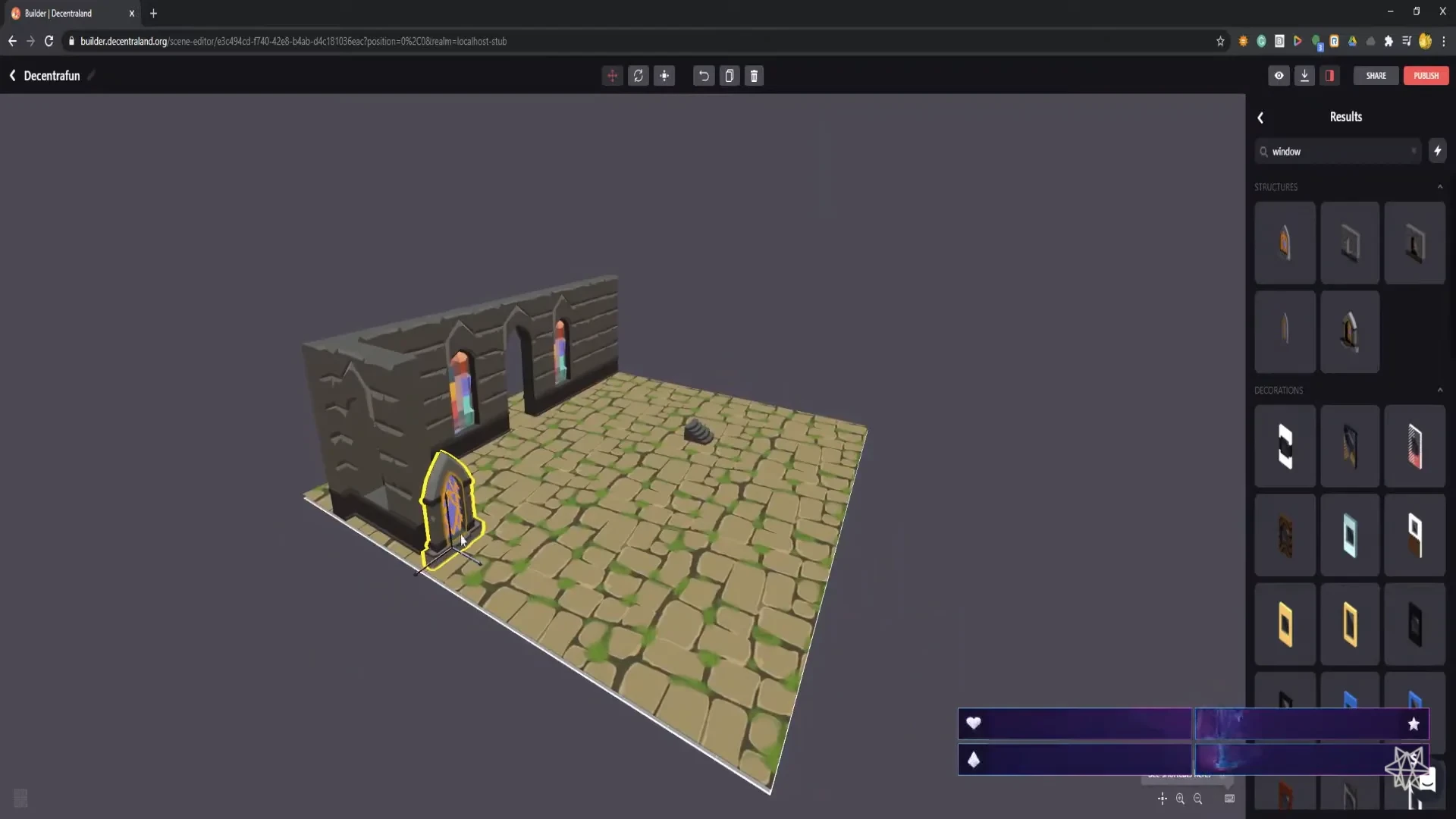
Players creating game scenes in Decentraland Source: YouTube
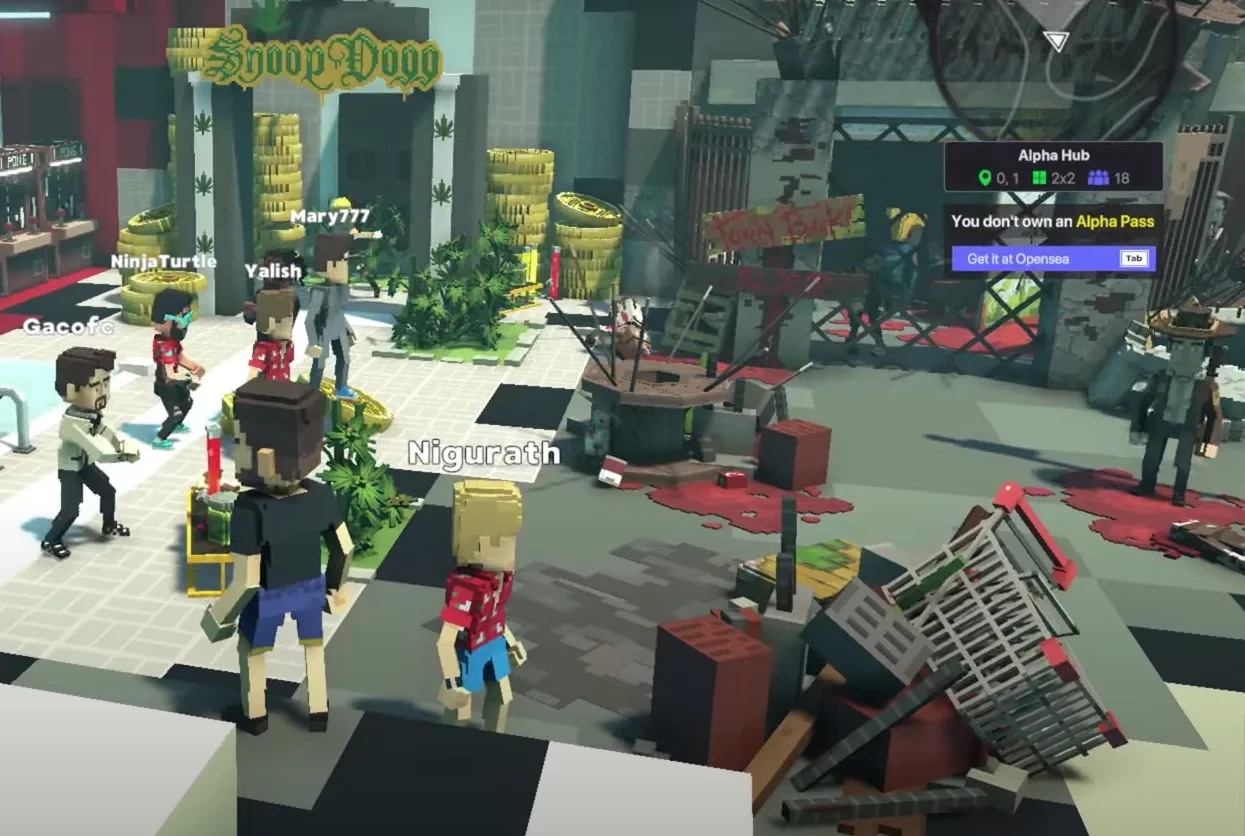
Snoop Dogg's plot in The Sandbox (left), The Walking Dead plot (right)
Virtual land now hosts a diverse range of businesses, games, and ecosystems, including gaming areas, art galleries, live events, corporate and conference centers, shopping districts, landmarks, universities, casinos, and more. These facilities not only integrate various elements from the real world into the game's metaverse, but also give rise to some native business models. For example, Decentraland has largely completed this ecosystem construction — the game features numerous NFT galleries where players can freely roam and navigate to OpenSea for trading. Overall, the enrichment of gaming ecosystems and the maturation of business models will drive the appreciation of tokens that serve as trading mediums, further empowering the value of virtual land.
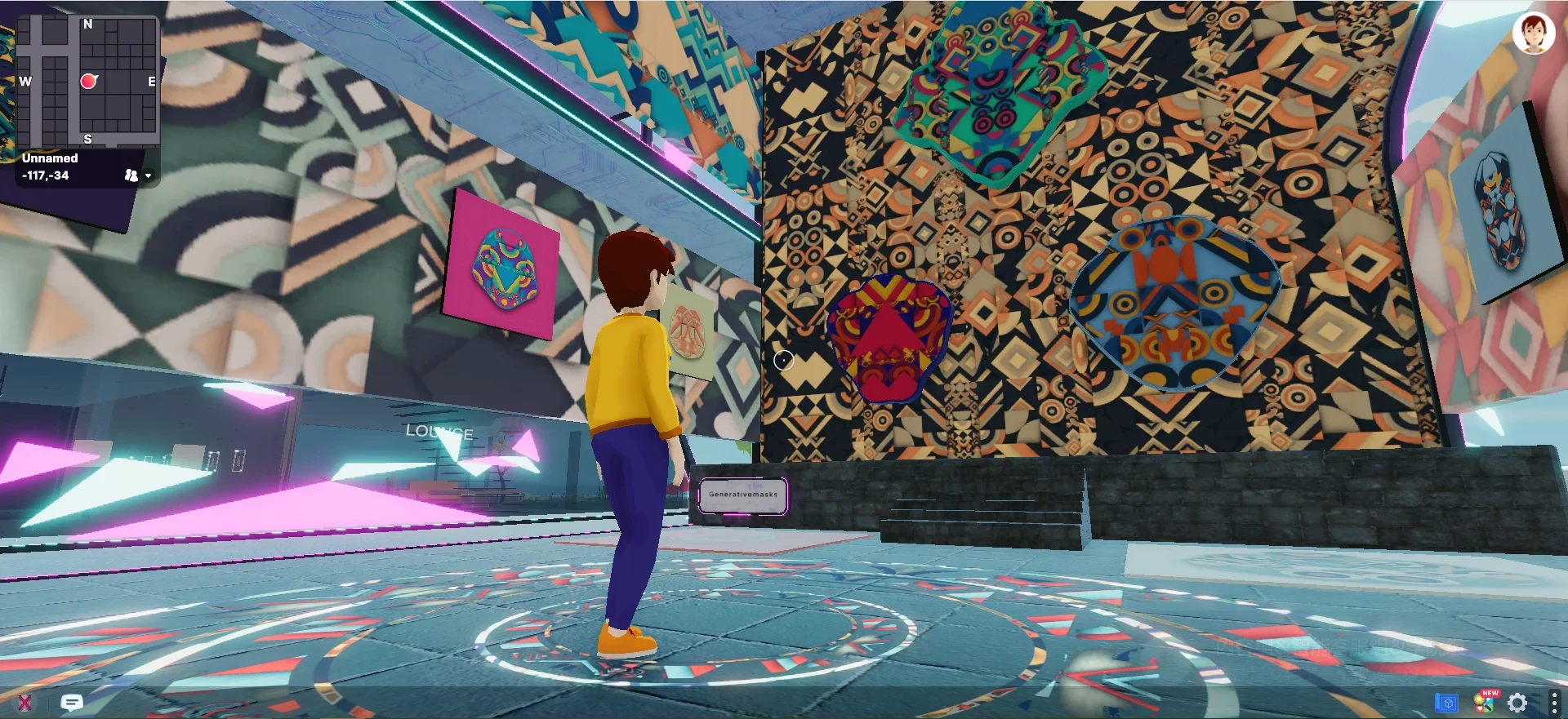
Generative art exhibition in Decentraland
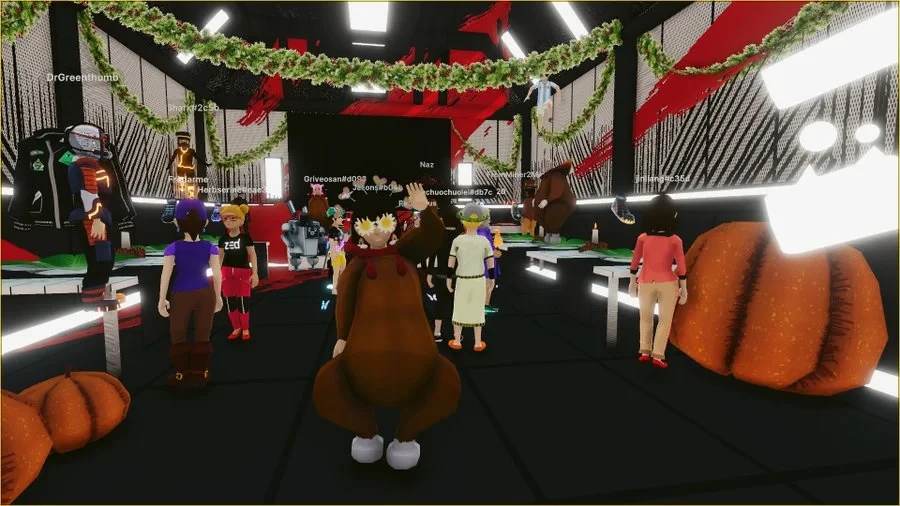
Thanksgiving event in Decentraland
Conversely, virtual land can also empower the gaming ecosystem.
Looking at the performance of some recent play-to-earn games, projects that rely purely on monetary incentives often struggle to sustain — later-stage users tend to "come for the money and scatter when it's gone." In metaverse GameFi, however, the money-farming attribute is less pronounced. Players experience the joy of creation while building on their land; having their self-designed equipment and games accepted by more people is deeply fulfilling. Moreover, players' creations in the game represent real, visible sunk costs — time, effort, and emotion — which can incentivize long-term participation to some extent. Some players have even written folklore in the game's Discord channel; they have a sense of belonging to the land.
Additionally, virtual land serves the function of absorbing泡沫 and accommodating excess token supply, helping maintain in-game economic stability. When an ecosystem is thriving, players continuously invest time, effort, and assets into the game, which brings about the issue of excess token minting. As these excess tokens circulate within the economy, they can cause severe inflation. If a large number of players attempt to redeem their tokens at this point, it poses a risk to the entire economy. The decline of Second Life, the traditional online sandbox game, can largely be attributed to the significant depreciation of its in-game currency at the time. In reality, many current play-to-earn games carry hidden risks of high token inflation rates and heavy selling pressure. However, the existence of land can absorb some of the泡沫, channeling excess tokens into such scarce "real estate," easing some of the pressure.
Technology Falls Short, But Projects Press On — Is There泡沫 in Virtual Land Trading?
In the analysis above, we examined the important position of land within the grand vision of metaverse GameFi. At the same time, we must acknowledge some real-world challenges.
To be honest, the current metaverse GameFi platforms lack strong playability. Compared with popular online games that feature intense competition or deep strategy, these platforms are — to put it generously — pastoral and idyllic, or more bluntly, just make-believe. It would be difficult to attract players through gameplay alone, though that was never their true ambition. The real ambition of metaverse games is to enable players to be immersed around the clock, managing their online lives just like living in the real world. Achieving this requires not only blockchain technology, but also VR, AR, AI, 5G, and IoT technologies. Given current development levels, the road ahead remains long and challenging.
Let's start with blockchain technology. Metaverse GameFi handles massive, high-concurrency data from a large player base, requiring high TPS alongside data security, distributed storage, and various other plugins. Current public chain performance and related underlying technologies are constraining its development. Some issues also stem from the inherent nature of blockchain technology and are difficult to eliminate — such as asset security concerns caused by code vulnerabilities, and unclear multi-party responsibility and lagging governance resulting from decentralization.
On the technological front beyond blockchain, there are even more challenges to address. As GADXCORE pointed out in one of their podcasts, any game currently featuring multiplayer interaction in a 3D simulated space represents various compromises made within the bounds of existing technological limitations. For example, the virtual concert in Fortnite attended by 27.7 million people that everyone loves to talk about actually covered only about a thousand players per server. Moreover, watching a concert is a relatively passive activity with very limited interaction. For this virtual concert alone, we are still far — very far — from the "low-latency, real-time global synchronization" that the metaverse envisions. Beyond this, issues like data granularity, terminal device limitations, and countless others remain to be solved.
Technology falls short, but projects press on. Some games that fail to deliver on experience and playability cannot attract genuine players; instead, they foster speculative mindsets among users and create substantial泡沫 in the secondary virtual real estate market. For instance, a metaverse gaming project that has recently sparked heated domestic debate — the company has no involvement in related technology R&D, no relevant technical reserves or patents, and its core business has not undergone significant changes. Yet before the project even launched, the company's stock has hit limit up multiple times, and the virtual properties gifted to users during the beta test are being offered on Xianyu for as high as 500,000 yuan.
Meanwhile, truly technology-exploring gaming companies that manage to achieve even small innovations in narrow areas deserve commendation. For example, PolySteam is attempting to achieve AAA-level rendering through distributed computing, while Parsec has reduced video stream latency to under one frame. This will be a process akin to moving mountains — investors need patience, but also caution.
All of the above are practical challenges facing metaverse GameFi, and they will determine whether metaverse GameFi is sustainable — just as they determine whether virtual real estate within it is sustainable. As the concept has yet to fully materialize,泡沫 certainly exists in the current market. However,泡沫 is also a natural characteristic of emerging technologies, and the attention and capital inflows that泡沫 bring can be vital for new ventures.
In summary, the value of the metaverse concept stems from the development and maturation of its underlying technologies. Within the game itself, the value of virtual land comes from players — not from speculators in the secondary market. It needs to continuously accumulate real value through the creation and construction of every element within the gaming metaverse — a gradual process. From virtual to real, from visible to tangible, there is still a long road ahead. For now, leading metaverse GameFi platforms like The Sandbox and Decentraland have already established self-sustaining economic systems based on virtual land and built early-stage ecosystems. It is worth looking forward to what these games may deliver next.
Disclaimer
This article may contain product-related content not applicable in your region. This article is only intended to provide general information and does not accept responsibility for any factual errors or omissions. This article represents only the author's personal views and does not reflect the views of OKX. This article is not intended to provide any advice, including but not limited to: (i) investment advice or investment recommendations; (ii) offers or solicitations to purchase, sell, or hold digital assets; or (iii) financial, accounting, legal, or tax advice. Holdings in digital assets (including stablecoins) involve high risk and may fluctuate significantly, or even become worthless. You should carefully consider whether trading or holding digital assets is appropriate for you based on your financial situation. For questions specific to your circumstances, please consult your legal/tax/investment professional. The information contained in this article (including market data and statistics, where applicable) is provided for general reference purposes only. Although we have taken all reasonable precautions in preparing such data and charts, we do not accept any responsibility for any factual errors or omissions expressed herein. © 2025 OKX. This article may be reproduced or distributed in its entirety, or excerpts of 100 words or less may be used, provided such use is non-commercial in nature. Any reproduction or distribution of the full article must prominently state: "This article is copyrighted © 2025 OKX, used with permission." Permitted excerpts must cite the article title and include attribution, e.g., "Article title, [author name (if applicable)], © 2025 OKX." Some content may have been generated or assisted by artificial intelligence (AI) tools. Derivative works and other uses of this article are not permitted.
Show More
Recommended Reading

2025 KOL Most Used OKX Products — Full Breakdown
In the cryptocurrency industry, professional players' choices are always direct and pure. In 2025, KOLs cast the truest votes for industry tools and ecosystem development with their year-long capital investments and time commitment. We focused on four core questions: "What was your biggest achievement this year?", "With that achievement in mind, what are your most-used and favorite OKX products in 2025?", "Why do you love it?", and "This
January 5, 2026

2026 Investment Outlook: Assets On-chain, Intelligence & Privacy | OKX Year in Review
The three major trends shaping crypto's future: asset transformation, entity transformation, and rule transformation. As we approach 2026, after four years of focusing on "building roads" for infrastructure, the crypto industry is ushering in a profound paradigm shift. OKX Ventures defines this as the dawn of the "Kinetic Finance" era, where the core is no longer how fast the network is, but the flow and monetization of on-chain assets.
December 31, 2025

Voting with Data — A Deep Dive into 2025's Hottest Trading Products | OKX Year in Review
Looking at market conditions alone, it is difficult to explain the differences in returns among trading users in 2025. What truly determines returns also depends on account-level operation methods, not just market volatility itself. OKX's annual report shows that mainstream coins remain the core of capital turnover and returns, supporting trading and strategy execution; emerging coins are more often used to amplify volatility and provide staged opportunities, but are not a stable, long-term source of returns. What truly and consistently contributes to returns is
December 30, 2025
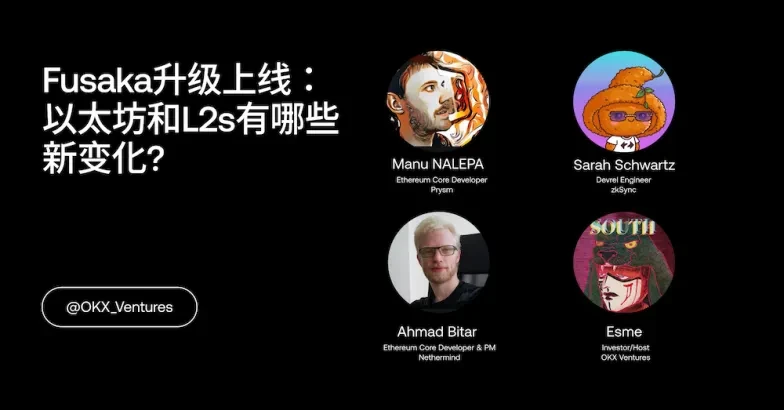
Fusaka in Practice: What Ethereum's Latest Upgrade Means for L2, Nodes, and Users
The Ethereum mainnet has already completed the Fusaka fork. At the protocol level, this upgrade primarily covers four areas. Full Q&A Show More The core viewpoints and front-line experience from three guests: Ahmad (@smartprogrammer) – Nethermind Execution Client / Ethereum Core Dev Manu (@manunalepa) – Prysm / Of
December 16, 2025

OKX Research | Why RWA Became a Key Narrative in 2025
RWA (Real World Assets) is becoming the "new favorite" of global capital. Simply put, RWA involves taking valuable, owned assets from the real world — such as real estate, bonds, stocks, and other traditional financial assets, as well as items like art, private lending, and carbon credits that are not typically easy to trade directly — and bringing them onto the blockchain as tradable, programmable crypto assets. This
November 20, 2025
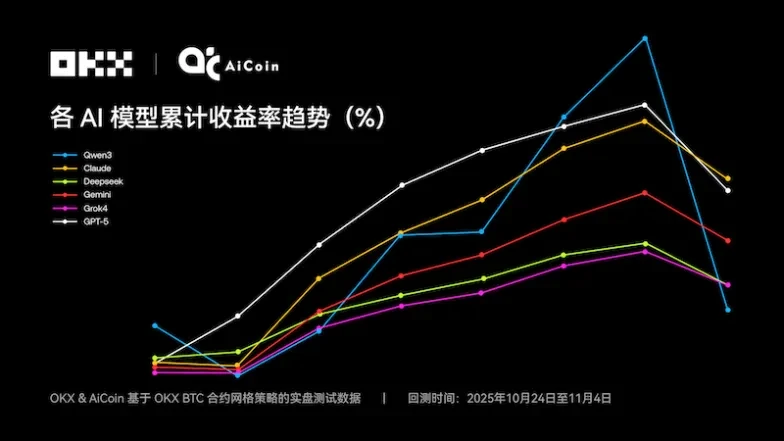
Claude Takes the Crown — Truth Behind 6 Major AI Grid Strategies | OKX & Ai Coin Live Test
Is the short-term trading champion ? Season 1 of NOF1's "AI Trading Live Arena" finally concluded on November 4, 2025 at 6 AM, whetting the appetite of the crypto, tech, and finance circles. But the outcome of this "AI IQ public test" was somewhat unexpected — the combined $60,000 capital across six models ended at just $43,
November 6, 2025